Garden maintenance specialists for Farnborough Village Locksbottom: a practical guide to keeping your garden in shape all year
If your garden in Farnborough Village or Locksbottom has started to feel a bit wild around the edges, you are not alone. Beds fill with weeds, hedges put on a growth spurt, lawns thin out, and suddenly the "quick tidy-up" turns into a weekend you did not really want. That is where Garden maintenance specialists for Farnborough Village Locksbottom come in: steady, knowledgeable help that keeps the whole space healthy, usable, and good-looking without the constant catch-up.
This guide explains what garden maintenance specialists actually do, why regular care matters in this part of South London, how the work is usually carried out, and what to look for when choosing the right help. You will also find a simple step-by-step approach, practical tips, a comparison table, and answers to common questions. No fluff. Just useful, grounded advice for people who want their garden to behave itself for once.
Why Garden maintenance specialists for Farnborough Village Locksbottom Matters
A garden rarely fails all at once. It usually slips, slowly. A few weeds here, a hedge left a little too long there, a patch of lawn that never quite recovers after winter. Then one damp week arrives and the whole place feels behind. In an area like Farnborough Village Locksbottom, where many gardens mix mature planting, family use, and changeable weather, regular maintenance is not a luxury. It is the difference between a garden that supports your home and one that constantly asks for emergency attention.
Garden maintenance specialists help with the practical stuff that keeps plants alive and outdoor spaces manageable: cutting back growth, edging lawns, controlling weeds, refreshing soil, tidying borders, and preparing the garden for the next season. They also bring consistency. Truth be told, consistency is often the bit homeowners struggle with most. A garden can survive a missed weekend, but it does not thrive on long gaps and guesswork.
There is another reason this matters locally. Garden conditions in South London can shift quickly with shaded corners, clay-heavy patches, fences casting extra shadow, and wetter spells that linger in the soil. A specialist notices those details. Not in a dramatic way, just in the ordinary, experienced way that saves you a lot of bother later.
Expert summary: A well-maintained garden is rarely about one big makeover. It is usually the result of small, timely jobs done often enough to stop problems before they become expensive or messy.
If you are thinking beyond maintenance and into wider improvements, it can help to look at broader garden care options too, such as routine garden maintenance support, lawn care, or a broader range of gardening services depending on what your outdoor space needs most.
How Garden maintenance specialists for Farnborough Village Locksbottom Works
Most maintenance programmes start with a walk-through of the garden. That sounds obvious, but it matters. A proper assessment lets the specialist spot where growth is getting out of hand, where drainage may be poor, which shrubs need shaping, and whether the lawn is suffering because of shade, compaction, or plain neglect. You do not want a one-size-fits-all approach. Gardens are too varied for that.
From there, the work is usually split into repeatable tasks. Think of it as keeping a garden in rhythm rather than doing everything at once. A typical visit might involve mowing, strimming, hedge trimming, weeding, deadheading, pruning, leaf clearance, border tidying, and general waste removal. In winter, the focus usually shifts to protection and reduction of risk. In spring, the emphasis changes to recovery and growth. Summer is about controlling pace. Autumn, of course, is a leaf-management exercise with a bit of philosophy thrown in.
Many garden maintenance routines are tailored by frequency. Some gardens need weekly attention during the growing season. Others are fine with fortnightly or monthly visits once the structure is in place. That depends on planting style, lawn size, and how much finish you want. A neat family garden with children running about will need a different rhythm from a more decorative front garden or a low-maintenance courtyard.
It is also common for the maintenance plan to connect with other service areas where needed. A hedge that has outgrown its line may benefit from a more focused trimming visit, while a tired lawn may need more specific lawn treatment and care. If the garden's structure is changing, then landscaping or tree-related work may come into the conversation too. That is normal. Gardens are living systems, not fixed rooms.
Key Benefits and Practical Advantages
The most obvious benefit is a cleaner, better-looking garden. Fair enough. That is what most people notice first. But the real value runs a bit deeper than appearance.
- Less stress: You stop feeling permanently behind on outdoor chores.
- Healthier planting: Regular pruning, feeding, and weed control support growth rather than fighting it.
- Improved safety: Clear paths, manageable hedges, and tidy surfaces reduce trips and awkward overgrowth.
- Better use of space: When the garden is kept in order, seating areas, children's play zones, and planting beds actually work as intended.
- Lower long-term repair risk: Neglect usually costs more than maintenance, especially when dead growth, moss, or invasive plants are left too long.
- Seasonal readiness: A well-kept garden handles weather changes better, whether that means frost protection, drainage awareness, or post-storm tidying.
There is also a quieter benefit: pride. You notice it when you open the back door on a bright morning and the space simply feels ready. No brambles in your face, no mystery weeds making themselves at home. Just a garden that looks loved. That feeling matters more than people admit.
For practical inspiration on maintaining a greener, easier-to-manage space, these guides can help in specific areas: weed control tips, weatherproofing your garden, and low-maintenance garden ideas.
Who This Is For and When It Makes Sense
Garden maintenance specialists are not only for large properties or time-poor professionals. They are useful for a lot of ordinary situations. If anything, the people who benefit most are the ones who care about their outdoor space but cannot keep up with every job.
This service often makes sense if you:
- have a garden that grows quickly in spring and summer
- struggle with weeds, hedge growth, or patchy lawns
- want the garden to be safer and more presentable for children or pets
- have a busy schedule and do not want weekend chores swallowing your time
- have recently moved in and inherited a garden that needs a reset
- prefer regular small jobs over occasional large-scale clearances
- need help keeping outdoor areas presentable for visitors, tenants, or clients
Let's face it, some gardens are just more demanding than others. Shaded plots, older shrubs, ivy growth, and uneven soil can all turn routine upkeep into a recurring task list. A specialist knows how to spot the pressure points before they become annoying little emergencies.
If your issue is more specific, there are dedicated options that may fit better. For example, a garden dominated by fast-growing boundaries may benefit from hedge trimming in Locksbottom, while a tired terrace or paved area may call for patio cleaning. A garden with more structural changes in mind may also need landscaping support.
Step-by-Step Guidance
If you are planning to use garden maintenance specialists for Farnborough Village Locksbottom, here is a straightforward way to approach it without overcomplicating things.
- Walk the garden and note what is bothering you. Be specific. Is it weeds, hedge height, poor lawn condition, bare patches, leaf build-up, or just general untidiness?
- Separate urgent jobs from routine jobs. A broken fence panel or dangerously overhanging branch is different from a border that just needs attention.
- Decide what regularity you need. Weekly, fortnightly, monthly, or seasonal visits each suit different gardens. There is no universal answer.
- Ask what tasks are included. Some maintenance plans are light-touch. Others cover much more, from mowing to pruning to waste collection.
- Check how the work will be timed across the seasons. A good plan should change as the garden changes. Spring growth is not the same as winter maintenance, obviously.
- Agree on access, timings, and any garden sensitivities. Pets, fragile planting, side access, and neighbour boundaries all matter.
- Review the first visit carefully. Did the garden feel genuinely improved, or just skimmed over? This first impression tells you a lot.
A simple example: a front and back garden may need different levels of care. The front might need regular presentation work, while the back is more about lawn upkeep and border control. That split approach is common, and it is often the smartest one too.
Expert Tips for Better Results
Good maintenance is not just about doing more. It is about doing the right things at the right time. A few small decisions make a noticeable difference.
- Keep a seasonal notes list. Write down what keeps coming back: wet patches, bindweed, moss, bare spots, or hedges that race ahead after rain.
- Do not wait for perfection. A garden that is kept at 80% tidy is far easier to manage than one left to become a full-on project.
- Match planting to the space. If you are constantly cutting back one shrub every month, it may simply be the wrong plant for that position.
- Ask for border definition. Clean edges and clear lines make even a modest garden look more deliberate. Small thing, big impact.
- Use mulching where suitable. It can help reduce weeds and retain moisture, though it needs to be used sensibly around plant stems and in the right season.
- Keep the lawn realistic. If the lawn is heavily shaded, irregular, or hard to access, aiming for perfect bowling-green standards may be setting yourself up to fail.
One practical tip from experience: the best-looking gardens often have fewer plant types, not more. They feel calm. That is especially helpful in compact London gardens where every square metre has to work quite hard.
If your garden is designed around particular uses, it helps to read more targeted advice too. For instance, a family space can benefit from child-friendly garden ideas, while pet owners may find dog-friendly garden guidance surprisingly practical.
Common Mistakes to Avoid
Most garden problems come from a handful of common missteps. Nothing mysterious. Just normal things left too long or done in the wrong order.
- Waiting until everything is overgrown: That turns maintenance into recovery work, which is slower and usually more expensive.
- Cutting hedges at the wrong time: Over-trimming can leave gaps or weaken growth, especially on older or stressed plants.
- Ignoring drainage clues: Soggy soil, mossy lawns, and patchy roots often point to a bigger issue than simple neglect.
- Overfeeding or overwatering: More is not always better. Plants can be fussy, a bit dramatic really.
- Using the wrong tools: Dull blades and poor cutting equipment tear rather than trim, which makes plants look ragged and heal more slowly.
- Forgetting waste removal: A tidy cut can still leave the garden looking messy if clippings and debris are left behind.
Another common mistake is treating every season the same. Winter work is about protecting structure and reducing risk. Summer work is about controlling growth. Autumn is about clearing and preparing. Spring is where it all starts again. Simple, but easy to forget when the calendar gets busy.
Tools, Resources and Recommendations
Professional maintenance is usually better when the right kit is used well. You do not need to own it all yourself, but it helps to know what good work tends to involve.
| Task | Useful tools or methods | What good results look like |
|---|---|---|
| Lawn mowing | Sharp mower blades, edging tools, debris clearance | Even cut, tidy edges, no scalping or missed strips |
| Weed control | Hand weeding, targeted treatment, mulch where appropriate | Fewer recurring weeds and cleaner planting beds |
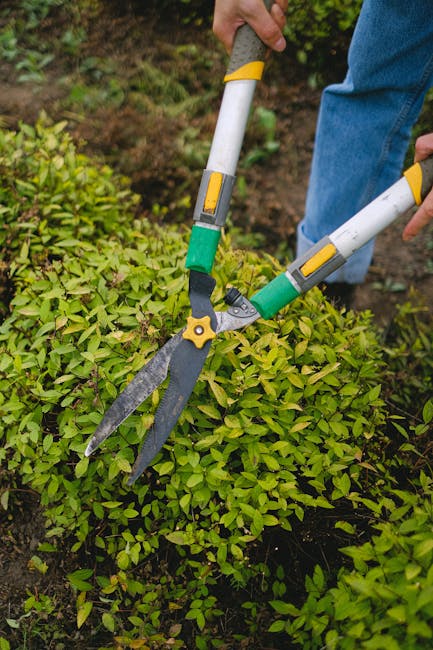
| Hedge trimming | Proper trimmers, careful shaping, correct timing | Balanced shape, dense growth, no bare damage |
| Border care | Forks, secateurs, compost, mulch | Defined lines, healthier roots, improved moisture retention |
| Seasonal tidying | Leaf blowers or rakes, bags, pruning tools | Clear paths, uncluttered beds, reduced decay buildup |
As a homeowner, the most useful "resource" is often observation. Watch what happens after rain, after windy weather, and after the first warm spell of spring. Those moments tell you where the maintenance pressure sits. A sagging border, a damp patch, or a hedge leaning toward the light usually says more than a long checklist ever will.
For ongoing care, you may also want to look at lawn mowing if the grass is the main issue, or tree surgery if larger trees are causing shade, obstruction, or leaf fall problems. And if you want to understand the team behind the work, about us is a useful place to start.
Law, Compliance, Standards, or Best Practice
Garden maintenance is not the same as heavy construction, but there are still sensible standards to follow. The big ones are health, safety, waste handling, neighbour consideration, and plant protection. If work involves ladders, cutting equipment, or powered tools, safe methods matter. That sounds obvious, yet you would be surprised how often the basics are rushed.
In the UK, good practice usually means using equipment properly, keeping walkways clear, handling green waste responsibly, and avoiding unnecessary disturbance to plants, wildlife, or neighbouring property. If there are safety or access concerns, they should be addressed before work begins. For example, a narrow side passage, uneven paving, or a hidden trip hazard should not be ignored just because the job is "only gardening."
Customers also benefit from clear terms and sensible communication. If you are arranging repeat work, it is wise to understand pricing, cancellation expectations, payment arrangements, and what happens if the garden changes after bad weather. For peace of mind, you can review the company's terms and conditions, payment and security information, and health and safety policy before booking.
It is also sensible to check how complaints are handled and how personal information is treated. That is just part of choosing any service properly, not a sign that something is wrong. Practical trust matters.
Options, Methods, or Comparison Table
If you are deciding what kind of help you need, it can be useful to compare the most common approaches. Not every garden requires the same level of intervention.
| Approach | Best for | Pros | Possible downside |
|---|---|---|---|
| Ad hoc tidy-ups | Small gardens with light seasonal growth | Flexible, useful for occasional touch-ups | Problems can build up between visits |
| Regular maintenance visits | Most family gardens and busy households | Predictable, efficient, easier to stay ahead | Requires a recurring budget and planning |
| One-off restoration | Overgrown or neglected gardens | Fast visual impact, good reset point | Often more labour-intensive at the start |
| Specialist task add-ons | Gardens with specific issues like hedges or lawns | Targeted expertise, better outcomes for tricky areas | May need several service types instead of one |
In practice, the best option is often a mix. A regular maintenance base with occasional specialist visits for hedges, lawn care, or hard surfaces tends to work well. That keeps the garden stable without overcomplicating your life.
Case Study or Real-World Example
Here is a realistic example, drawn from the kind of situation many local homeowners recognise. A couple in Farnborough Village had a back garden that looked fine in winter, then became a mess by early June. The lawn had patchy growth under the trees, the hedge was leaning into the patio area, and the borders were full of self-seeded weeds that kept returning. Nothing dramatic on its own, but together it made the garden feel neglected.
The first step was simple: clear the dead growth, reduce the hedge to a manageable line, remove weeds from the beds, and define the edges of the lawn. Once the structure was visible again, it became obvious where the garden had been struggling. One side needed more light than it got. Another bed had compacted soil. A corner near the fence was holding moisture longer than the rest of the space.
After that, the maintenance rhythm changed. Instead of waiting until the whole garden looked rough, the work was spread through the seasons. Smaller visits, less panic. The garden still needed attention, of course, but it stopped feeling like a problem waiting to happen. The owners could use the space on warm evenings without that little sting of embarrassment you get when the weeds have clearly had a better week than you have.
The lesson? Good maintenance is not always about making a garden perfect. It is about making it manageable, usable, and pleasant to be in. That is a pretty good result, really.
Practical Checklist
Use this checklist before booking or planning ongoing garden care:
- Walk the garden and note the main problem areas.
- Decide whether you need one-off help or regular visits.
- List priority tasks: mowing, weeding, hedge trimming, pruning, border clean-up, leaf clearance, or waste removal.
- Check access points, gates, and any awkward corners.
- Think about pets, children, and outdoor furniture placement.
- Ask how seasonal changes are handled.
- Review health, safety, payment, and complaints information.
- Clarify what happens with green waste and debris.
- Choose a maintenance rhythm that feels realistic, not aspirational.
- Schedule the next visit before the garden gets away from you again.
If you need a simpler starting point, begin with the service that solves the biggest frustration first. That alone can make the whole garden feel more manageable within a short time.
Conclusion
Garden maintenance specialists for Farnborough Village Locksbottom offer more than just a neat finish. They help protect the structure, health, and day-to-day use of a garden that would otherwise drift into constant catch-up. Whether your main concern is weeds, hedges, lawn care, or simply keeping everything ticking over, regular specialist support can save time and reduce stress in a very real way.
The best results usually come from steady, seasonal care rather than occasional rescue jobs. That is the honest answer. A garden kept in small, regular steps tends to feel calmer, look better, and behave itself more often. And if you have ever spent a damp Sunday wrestling with a hedge that grew two feet without asking permission, you will know exactly why that matters.
Get a free quote today and see how much you can save.
When you are ready, choose the level of help that fits your space, your schedule, and your expectations. The right garden support should feel like a relief, not another project. Sometimes that quiet sense of order is the best part.
Frequently Asked Questions
What do garden maintenance specialists usually do?
They handle the recurring tasks that keep a garden healthy and presentable, such as mowing, edging, pruning, hedge trimming, weeding, border tidying, leaf clearance, and general seasonal upkeep. The exact mix depends on the garden.
How often should a garden be maintained?
That depends on growth rate, size, planting style, and how tidy you want the space to stay. Some gardens need weekly attention in peak season, while others work well with fortnightly or monthly visits.
Is garden maintenance the same as landscaping?
No. Maintenance is about ongoing care and keeping the garden in good shape. Landscaping is usually about changing the structure, layout, or design of the space.
Can maintenance help an overgrown garden recover?
Yes. In many cases, a one-off restoration visit can reset an overgrown garden, after which regular maintenance keeps it under control. The first job is usually the heaviest one.
What if my garden only needs hedge work and lawn care?
That is very common. You do not need a full-service approach if only certain parts of the garden are causing trouble. Targeted help can be more efficient and cost-effective.
How do I know if I need weekly or monthly visits?
If growth gets away from you quickly, weekly or fortnightly visits may be better. If the garden is relatively stable and low-growth, monthly or seasonal maintenance may be enough.
Should I ask about waste removal?
Absolutely. It is worth confirming whether cuttings, leaves, and other garden waste will be taken away or left for you to dispose of. A tidy finish matters.
Are garden maintenance services useful in winter?
Yes. Winter work often focuses on leaf clearance, pruning where appropriate, protecting plants, reducing hazards, and preparing the garden for spring. It is not just a summer service.
What should I do before the first visit?
Walk the garden, note your priorities, clear access where possible, and mention any fragile plants, pets, or awkward areas. A little preparation helps the work go smoothly.
How can I keep costs sensible without neglecting the garden?
Choose the jobs that matter most, keep the schedule realistic, and stay consistent. Regular small visits are often cheaper in the long run than letting the garden get badly out of hand.
What signs show a garden needs professional attention?
Recurring weeds, uneven lawn growth, hedges blocking paths or light, messy borders, moss buildup, and hard-to-manage seasonal debris are all common signs. If you keep postponing the same jobs, that is usually a clue too.
Where can I learn more about the team and services?
You can start with the company's service pages and background information, including garden maintenance and about us, then look at related guidance if you want to narrow the job down further.