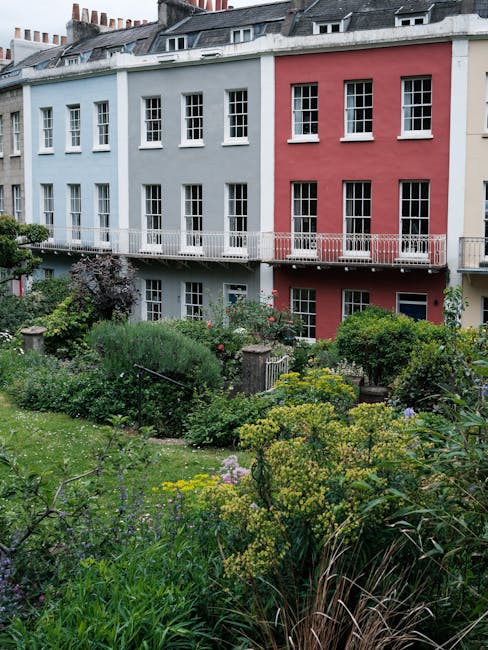
Best gardeners for Locksbottom Parade front gardens BR6
If you are looking at a front garden on or near Locksbottom Parade and thinking it needs a proper tidy-up, a smarter layout, or just someone reliable to keep it looking neat all year, you are in the right place. Finding the best gardeners for Locksbottom Parade front gardens BR6 is not only about lawn cutting or hedge trimming; it is about choosing a team that understands small local spaces, changing weather, and the simple fact that a front garden has to work hard. It is the bit of your home everyone sees first. A good one quietly lifts the whole street. A neglected one, well, it announces itself too.
This guide walks through what good front-garden care actually looks like, how to compare gardeners, what to ask before booking, and where local knowledge really matters. You will also find practical steps, a comparison table, a checklist, and a few no-nonsense tips that can save you time and money.
Table of Contents
- Why best gardeners for Locksbottom Parade front gardens BR6 matters
- How best gardeners for Locksbottom Parade front gardens BR6 works
- Key benefits and practical advantages
- Who this is for and when it makes sense
- Step-by-step guidance
- Expert tips for better results
- Common mistakes to avoid
- Tools, resources and recommendations
- Law, compliance, standards, and best practice
- Options, methods, and comparison table
- Case study or real-world example
- Practical checklist
- Conclusion
- Frequently asked questions
Why best gardeners for Locksbottom Parade front gardens BR6 matters
Front gardens are different from back gardens in one very obvious way: they are public-facing. That means they have to look presentable, feel welcoming, and stay tidy without becoming a full-time hobby. On a parade of homes, the front garden often shapes the first impression before anyone notices the windows, the paintwork, or the path to the door.
In a local setting like BR6, that first impression matters even more because many front gardens are compact, visible, and exposed to foot traffic, wind, rain, road dust, and the occasional delivery driver who takes a slightly optimistic shortcut. The best gardeners understand how to make small spaces look cared for without making them feel crowded.
There is also a practical side. A well-maintained front garden can improve access, reduce trip hazards, keep hedges from spilling over paths, and make routine maintenance easier in the long run. A badly planned space can do the opposite: it becomes messy quickly, plants fight for room, and what should be a tidy entry starts looking tired by Tuesday. To be fair, it happens fast.
For local homeowners, landlords, and busy families, the right gardener is not just someone with a mower. They are someone who can read the space, see what will thrive, and keep the upkeep realistic. That is the difference between a garden that looks nice for a week and one that keeps earning its keep.
How best gardeners for Locksbottom Parade front gardens BR6 works
The process usually begins with a site visit or an initial conversation. A good gardener will ask how you use the space, how much upkeep you want, and what matters most to you: privacy, kerb appeal, low maintenance, seasonal colour, safer access, or all of the above.
From there, the work is usually shaped into a plan. For a front garden, that plan often includes:
- clear edges and defined borders
- neat hedge trimming and shrub shaping
- weed control and soil improvement
- lawn mowing or lawn care if turf is present
- plant selection suited to sun, shade, and exposure
- pruning, tidying, and seasonal refreshes
- optional upgrades such as paving, fencing, or landscaping
If the garden is mostly ornamental, the work may focus on shape, structure, and planting rhythm. If it is more functional, then access, safety, and resilience matter most. Front gardens usually have less room for experimentation than rear gardens, so the best results often come from calm, simple structure rather than trying to cram in every plant you like from the catalogue.
Many residents also use local services for broader upkeep, not just one-off jobs. In that case, services like garden maintenance and lawn care can keep the front of the property looking consistently sharp rather than only after a big seasonal visit.
Key benefits and practical advantages
The best front-garden gardeners do more than make things pretty. That sounds obvious, but it is where a lot of homeowners get caught out. A tidy border is nice; a tidy border that does not need constant rescue is better.
Here are the main advantages you should expect:
- Better kerb appeal: a clean, balanced front garden helps the whole property feel cared for.
- Less maintenance stress: good planting choices reduce the cycle of overgrowth, dieback, and emergency fixes.
- Safer access: clear paths and sensible plant placement help prevent clutter and slips.
- Stronger structure: hedges, borders, and edging give the garden shape even in winter.
- Seasonal resilience: plants chosen for the front of the house should cope with exposure and the British weather, which can be a bit... enthusiastic.
- Better privacy without overgrowth: smart screening can work without making the garden feel boxed in.
A good gardener will also think ahead. For instance, if your front garden gets battered by wind, planting choices and support methods need to reflect that. If you want privacy, a layered approach may work better than a single hedge wall. If you want something easy, low-maintenance ground covers can be much smarter than a high-fuss flower border. There is a useful discussion of this in this guide to ground covers.
And yes, the practical benefits show up in small ways too: less sweeping, fewer weeds in the path, and fewer weekends spent staring at a patchy shrub and wondering how it got away from you again.
Who this is for and when it makes sense
This kind of service is not just for people with large gardens or big renovation plans. In fact, front gardens on streets like Locksbottom Parade often benefit the most from modest, regular professional care because there is less room for error.
You may want professional help if you are:
- short on time and want a tidy front garden without constant effort
- preparing a property for sale or letting
- dealing with overgrown hedges, weeds, or tired planting
- trying to improve privacy without making the space feel closed in
- looking for a child-friendly or pet-friendly layout
- managing seasonal damage after storms or winter weather
- wanting a front garden that looks good from the pavement all year round
It can also make sense if your front garden feels awkward rather than broken. Many people assume they need a full redesign when, in reality, the space just needs sharper edges, a better planting mix, and a sensible maintenance plan. A light-touch approach can be surprisingly effective.
If privacy is part of your brief, a front-garden solution may include denser planting or hedging. There are several ideas in this post on vigorous hedges, and it is worth thinking about structure before you think about flowers. Flowers are lovely. But structure lasts.
Step-by-step guidance
If you are hiring gardeners for a front garden in BR6, this is the practical route I would recommend.
- Walk the space properly. Look at the garden from the pavement, the doorway, and from inside the house. What annoys you most? What do guests notice first?
- Define the main job. Is it a tidy-up, a low-maintenance redesign, better privacy, or a complete refresh?
- List the problem areas. Note weed-heavy beds, tired shrubs, uneven edges, poor drainage, or areas where people cut across the garden.
- Choose priorities. If the budget is limited, spend on the things that change the appearance most: edging, hedge shape, weed control, and healthy planting structure.
- Ask for a maintenance plan. This matters. A front garden should not rely on occasional heroics.
- Check what services are included. Some gardeners offer mowing, pruning, planting, cleanup, and seasonal upkeep; others focus on one area only.
- Set realistic timing. Some jobs are fast, others need several visits. Newly planted borders, for example, need aftercare.
- Review after the first visit. Look at whether the space feels lighter, neater, and easier to manage. If not, the plan may need adjusting.
When a front garden is especially narrow, I often think simple wins. One well-shaped shrub, a clean border line, and a weed-free surface can do more than three clashing beds and a lot of wishful thinking. Less is often more, annoyingly enough.
Expert tips for better results
Here are the small details that separate competent front-garden work from genuinely excellent work.
- Work with the frontage, not against it. A narrow plot usually wants vertical structure, restrained planting, and clean lines.
- Choose plants for exposure. Front gardens often get more wind, more dust, and more fluctuation than rear gardens.
- Use repetition. Repeating one or two plant types looks calmer and more intentional than a jumble of unrelated planting.
- Leave space for access. Doorways, bins, and paths should not be squeezed by enthusiastic planting.
- Think seasonally. A garden that only looks good in June is not much help in February.
- Keep hedges honest. A hedge should frame the property, not swallow it. Proper shaping makes a huge difference.
One of the smartest tricks is to pair a low-maintenance planting bed with crisp maintenance routines. For example, a tough base layer such as ground cover, then a few stronger focal plants above it. That gives texture without creating a weekly chore list. If you want more ideas on that approach, these low-maintenance garden tips are a good companion read.
Another useful angle is hedge care. A trimmed hedge is not just tidier; it can improve light, balance, and privacy at the same time. There is a helpful local service page on hedge trimming in Locksbottom, and it is the sort of task that rewards regular attention rather than dramatic last-minute cutting.
Common mistakes to avoid
There are a few classic front-garden mistakes that show up again and again. They are very fixable, but it helps to spot them early.
- Overplanting: too many shrubs or flowers can make a small front garden feel cramped.
- Ignoring maintenance needs: some plants look lovely in a plan and become a nuisance in real life.
- Skipping edging: without clear edges, even a decent garden looks unfinished.
- Choosing style over survival: front gardens need plants that can handle local conditions, not just pretty labels.
- Forgetting winter: many gardens are designed for summer and then look bare or messy for half the year.
- Letting hedges grow unchecked: once they get away from you, the fix is often more expensive and more awkward.
Another one: people often place their attention on the visible bed at the front and forget the pathway, fence line, or boundary planting. But the whole frontage matters. The eye reads the entire picture, not just the nicest bit you watered that one time in July.
If you are dealing with ivy or climbing growth that has started to behave like it owns the place, it may be worth reading this guide to staying ivy-free. It is not glamorous, but it is very useful.
Tools, resources and recommendations
A good gardener brings the right tools, but the right tools only matter if the plan is sensible. For front gardens, the essentials usually include:
- hedge trimmers and secateurs for shaping and control
- mowers or strimmers where turf is present
- weed control tools and safe removal methods
- spades, edging tools, and hand forks for borders
- bags or bins for clippings and green waste
- soil improvers or mulch for tired beds
For homeowners, the most useful resources are not fancy gadgets. They are straightforward planning tools: a notebook for keeping seasonal tasks, a camera on your phone for before-and-after checks, and a rough layout sketch if you are thinking about changes. Very low-tech. Still works.
On the website side, you may also find it helpful to review gardening services, lawn mowing, lawn care, and patio cleaning if your front garden includes hard landscaping or a paved approach. If the property needs broader improvements, landscaping, fencing, or even tree surgery may be part of the conversation too.
For a fuller sense of the team, about us is the page to read if you want to understand how a local service is presented before you enquire.
Law, compliance, standards, and best practice
For most front-garden work, the main concerns are not legal drama; they are safety, neighbourly care, and sensible practice. Still, it is worth keeping a few basics in mind.
If a gardener is using tools, ladders, or equipment near a public-facing area, they should work carefully and avoid creating hazards. Clippings, loose stones, and cut branches should not be left where people can trip. If hedges or shrubs overhang a pavement, they should be managed responsibly. That is just good practice, and honestly, common sense goes a long way here.
It is also reasonable to ask whether a contractor follows clear safety procedures and whether they have suitable insurance in place. A professional approach usually means they can explain how they work, what happens if weather interrupts a job, and how they handle waste or access issues. You do not need a lecture. You do need confidence.
For peace of mind, it is sensible to look for clear policies on insurance and safety, health and safety policy, and terms and conditions. If payment matters, payment and security helps reassure you about the basics. And if anything ever goes wrong, a visible complaints procedure is a good sign that the business is run properly.
Privacy matters too, especially if you are making an enquiry online. The presence of a privacy policy, cookie policy, and accessibility statement signals a more considered approach. It may sound dull. It is dull. But dull can be reassuring.
And if you like to know a company's wider responsibilities, pages such as modern slavery statement show that it takes governance seriously rather than just talking a good game.
Options, methods, and comparison table
Different front gardens need different approaches. Below is a practical comparison to help you think clearly before you book.
| Approach | Best for | Strengths | Possible downside |
|---|---|---|---|
| Regular maintenance visits | Busy homeowners, tidy frontages, rental properties | Consistent look, fewer overgrowth problems, easier budgeting | Needs ongoing commitment |
| One-off garden tidy-up | Seasonal resets, neglected gardens, pre-sale improvements | Quick visible impact, clears backlog of jobs | Can slide backwards if not followed up |
| Low-maintenance redesign | People who want less weekly work | More sustainable long term, simpler care | Needs good planning up front |
| Hedge-led structure | Front gardens needing privacy or boundary definition | Clear shape, seasonal enclosure, tidy appearance | Must be trimmed regularly |
| Planting-focused refresh | Homes wanting colour and softer kerb appeal | Natural feel, better seasonal interest | Can become messy if plants are poorly chosen |
In practice, the best solution is often a mix. A neat hedge, a sensible planting bed, and a maintenance plan usually beat a dramatic overhaul that looks good for three weeks and then starts asking for attention like a needy houseplant.
Case study or real-world example
Here is a realistic example based on a common local brief. A homeowner near Locksbottom Parade had a narrow front garden with patchy turf, a hedge that had become too wide, and borders that were mostly weeds. The garden did not look terrible from a distance, but up close it felt tired, a bit chaotic, and harder to maintain than it should have been.
The gardener's first job was not to add more plants. It was to reduce noise in the design. The hedge was reshaped, the borders were cleared and edged, and the planting was simplified so that the space had rhythm instead of clutter. A couple of resilient shrubs were kept, some ground cover was added, and the lawn area was made manageable rather than perfect. That matters. Perfect is expensive and often unrealistic. Manageable is where the real value lives.
Within a short time, the frontage looked cleaner, brighter, and more deliberate. More importantly, the owner could keep on top of it without weekend dread. That is what a good gardener gives you: not just a nice view, but a garden that stops fighting you.
If you are planning something similar, browsing a garden transformation guide can help you think through the process before making decisions. And if winter damage is part of the story, winter plant care ideas are worth a look.
Practical checklist
Use this before hiring or briefing a gardener for a front garden in BR6.
- Do I want a one-off tidy-up or ongoing maintenance?
- Is the main aim kerb appeal, privacy, easier upkeep, or all three?
- Are there safety issues such as uneven paths, overhanging growth, or blocked access?
- Do I know which plants or features I want to keep?
- Is the front garden exposed to wind, shade, or heavy foot traffic?
- Have I set a realistic budget and priority list?
- Do I want lawn care, hedge trimming, clearing, planting, or wider landscaping?
- Have I checked the company's safety and policy pages?
- Will the design still make sense in winter, not only in summer?
- Do I have a simple maintenance plan for after the work is done?
One small tip: take a few photos before the work begins. Nothing fancy. Just enough to compare later and make decisions based on what actually changed, not what you hoped changed. The camera never lies, sadly.
Conclusion
Choosing the best gardeners for Locksbottom Parade front gardens BR6 comes down to more than finding someone who can cut, trim, and sweep. You want a gardener who sees the full picture: the frontage, the access, the weather exposure, the maintenance burden, and the first impression your home makes every single day.
The right approach is usually practical, restrained, and local-aware. That means a front garden that looks well kept without becoming high maintenance, and a plan that works in February as well as June. If you keep the focus on structure, resilience, and regular care, you will get much more from the space.
Get a free quote today and see how much you can save.
And if all you do next is walk outside, look at the frontage with fresh eyes, and decide what really matters there, that is already a good start. Small changes add up. They really do.
Frequently Asked Questions
What should I look for in a gardener for a front garden in BR6?
Look for someone who understands compact, visible spaces and can balance appearance with maintenance. Experience with hedge trimming, garden maintenance, and lawn care is especially useful for front gardens.
Is a one-off tidy-up enough for a front garden?
Sometimes, yes, if the space is otherwise manageable. But most front gardens benefit from follow-up care because edges, weeds, and hedges can go from neat to messy rather quickly.
How often should a front garden be maintained?
That depends on planting style and exposure. Many front gardens need attention every few weeks in the growing season, then lighter seasonal care through autumn and winter.
Can a gardener help with privacy as well as appearance?
Yes. A good gardener can suggest hedges, screening plants, or layered borders that improve privacy without making the space feel shut in.
What if my front garden is very small?
Small gardens often benefit most from professional help because every line and plant choice matters. Clean edges, restrained planting, and simple structure can make a small space look much larger and calmer.
Do I need landscaping, or just garden maintenance?
If the main issue is overgrowth, weeds, or routine tidying, maintenance may be enough. If the layout feels awkward, the path is poor, or the space needs a new structure, landscaping may be the better route.
Will hedge trimming make a front garden look better immediately?
Usually, yes. Trimming a hedge can instantly sharpen the look of a frontage and improve light and balance. It is one of the quickest visual wins in garden care.
Are low-maintenance front gardens possible without looking bare?
Absolutely. The trick is using reliable structure plants, sensible repetition, and ground cover rather than lots of high-maintenance features. Simpler does not have to mean dull.
How do I compare quotes from gardeners fairly?
Compare what is actually included: labour, waste removal, pruning, edging, planting, and follow-up visits. A cheaper quote is not always better if it leaves out the parts you really need.
Can gardeners help with winter protection for plants?
Yes. A good gardener can advise on seasonal protection, pruning timing, and choosing plants that cope better with cold weather and exposure.
What should I ask before booking a gardener?
Ask about experience with front gardens, maintenance frequency, insurance, safety practices, waste removal, and whether they can tailor the work to your budget and priorities.
How do I know if I need hedge work, lawn care, or general garden maintenance?
If the problem is mainly one feature, such as a hedge or lawn, a focused service may be enough. If several areas are getting away from you, general garden maintenance is usually the easiest starting point.
How can I get started quickly?
Start by listing the top three things you want fixed and gathering a few photos of the garden. Then make an enquiry and be clear about whether you want a one-off tidy-up or ongoing support.